Eat Seasonally: How to Choose Sustainable Ingredients Year-Round

Eat Seasonally: How to Choose Sustainable Ingredients Year-Round
Eating seasonally isn’t just about flavor—it’s one of the simplest ways to make your diet more sustainable. When you choose fruits and vegetables that are in season, you get produce that’s fresher, more affordable, and has a smaller environmental footprint. You also support local farmers and reduce the need for long-distance transportation and energy-intensive greenhouses. Here’s a guide to help you eat with the seasons—and enjoy nature’s rhythm on your plate.
Why Eat Seasonally?
Buying strawberries in December or asparagus in January often means those foods have traveled thousands of miles to reach your grocery store. That long journey increases carbon emissions and often results in produce that’s less flavorful. Seasonal foods, on the other hand, are harvested closer to home when they naturally ripen, which benefits both your taste buds and the planet.
Eating with the seasons also aligns with your body’s needs. In winter, we crave hearty, warming dishes made with root vegetables and greens, while summer calls for lighter meals filled with fresh fruits and crisp salads. Nature provides what we need—right when we need it.
Spring: Freshness and Renewal
After the long winter, spring brings the first signs of green and growth. It’s the perfect time to enjoy:
- Asparagus – tender and flavorful, great roasted or tossed into salads.
- Spinach and baby greens – packed with vitamins and perfect for light meals.
- Radishes – crisp and peppery, ideal for snacking or adding crunch to dishes.
- Strawberries – the first sweet taste of the season in many regions.
Spring is also a great time to visit local farmers’ markets, where you’ll find the earliest harvests and get to know the people who grow your food.
Summer: Color, Sweetness, and Abundance
Summer is peak season for fresh produce across the U.S. It’s the time to fill your plate with vibrant colors and bold flavors:
- Tomatoes, cucumbers, and peppers – bursting with sun-ripened sweetness.
- Berries – strawberries, blueberries, raspberries, and blackberries are at their best.
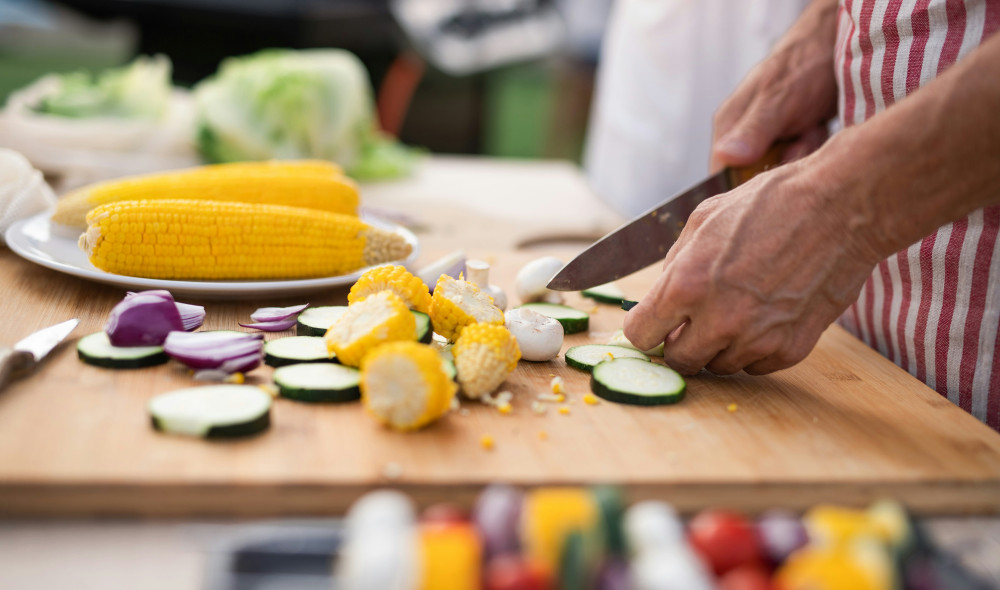
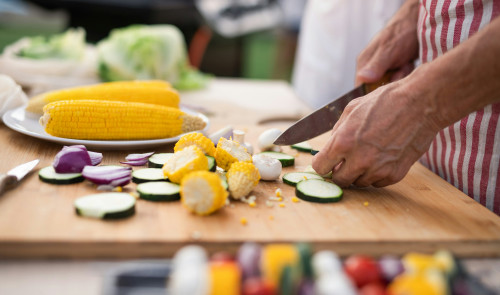
- Corn – sweet and juicy, perfect for grilling or salads.
- Herbs – basil, mint, and cilantro thrive in the heat and elevate any dish.
Summer is also the season for preserving—freeze berries, make jams, or dry herbs so you can enjoy a taste of summer later in the year.
Læs også:



Fall: Harvest and Comfort
Fall is the season of abundance, when fields and orchards overflow with produce that stores well and suits hearty, warming meals.
- Pumpkins and winter squash – ideal for soups, roasting, or baking.
- Apples and pears – versatile for both sweet and savory dishes.
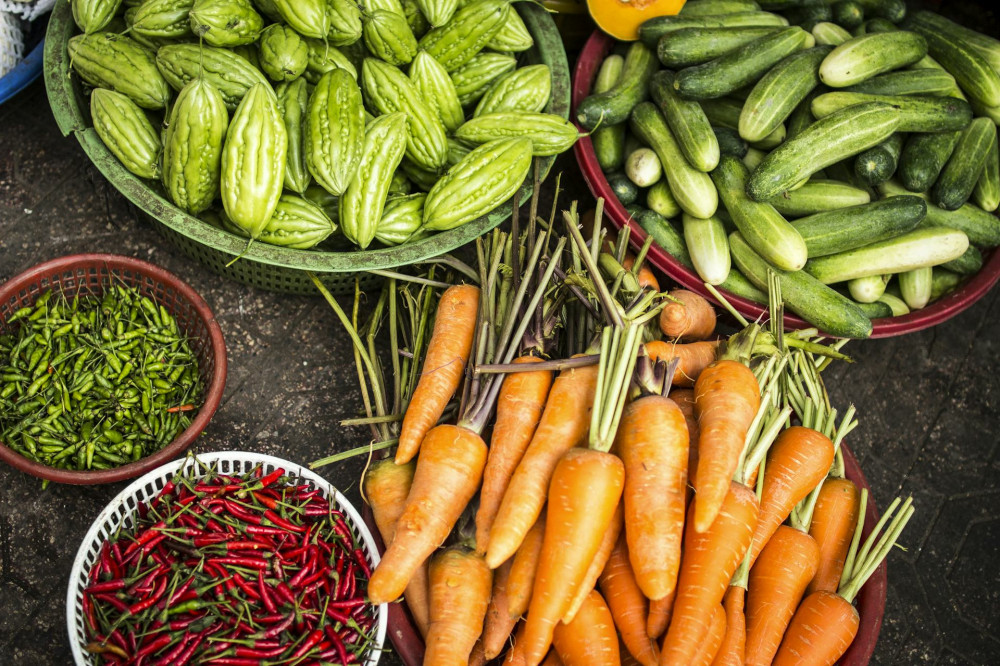
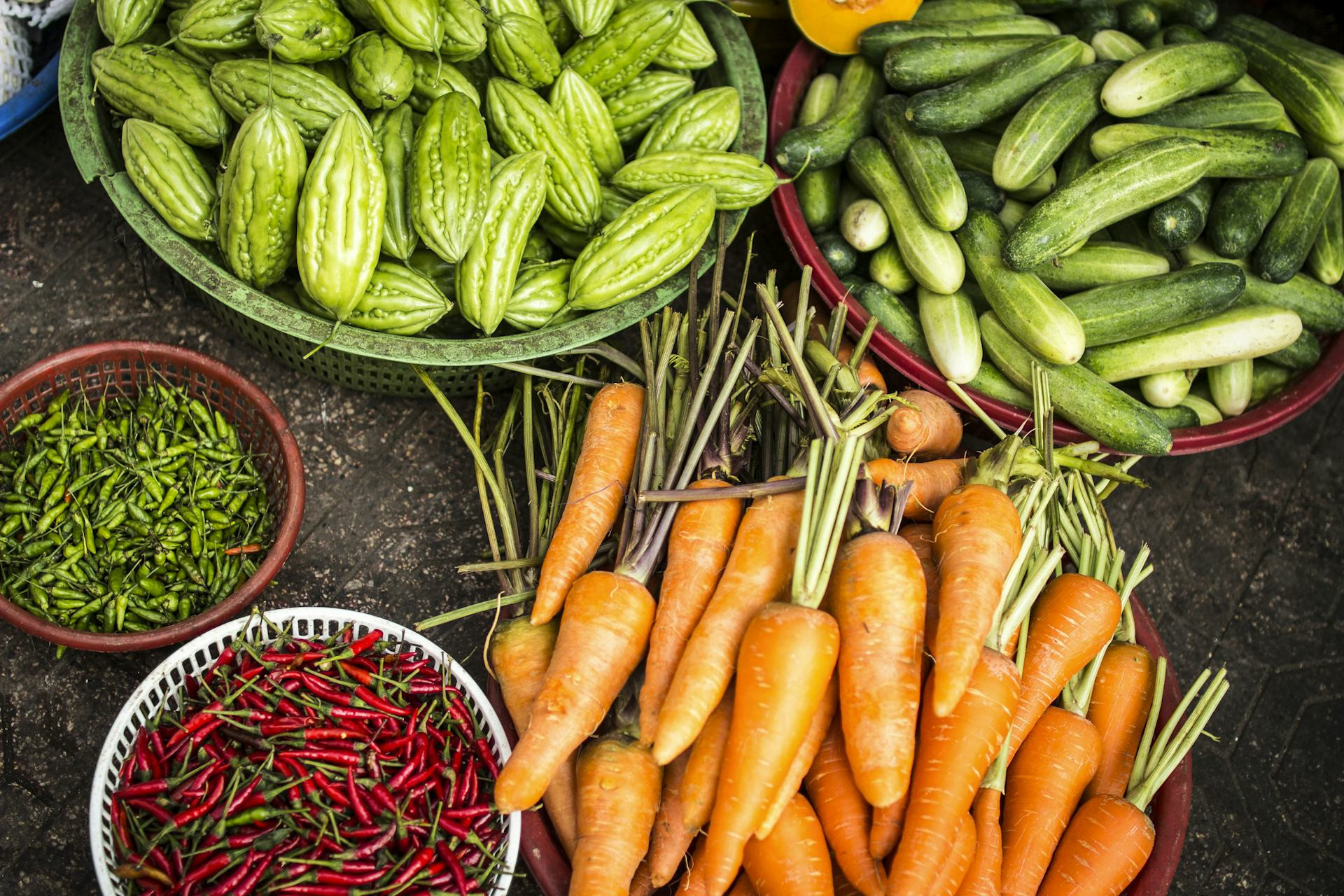
- Root vegetables – carrots, beets, parsnips, and sweet potatoes bring depth and sweetness.
- Cabbage and kale – nutrient-rich greens that shine in salads, sautés, and stews.
Autumn is also a good time to think about reducing food waste—cook in batches, freeze leftovers, and get creative with what’s on hand.
Winter: Hearty and Nourishing
When the cold sets in, it’s time for ingredients that can withstand frost and provide warmth and energy.
- Cabbage, collards, and kale – winter’s superfoods, full of vitamins and fiber.
- Root vegetables – still plentiful and perfect for roasting or slow-cooked dishes.
- Onions, garlic, and leeks – essential for building flavor in winter meals.
- Citrus fruits – oranges, grapefruits, and lemons bring brightness to the darker months.
Winter is also a great time to explore beans and lentils, which are sustainable, protein-rich, and ideal for hearty soups and stews.
How to Get Started
Eating seasonally doesn’t mean changing everything overnight. Start small:
- Check seasonal produce guides – many websites and apps list what’s in season in your region.
- Shop local – visit farmers’ markets, farm stands, or join a CSA (Community Supported Agriculture) program.
- Plan meals around what’s available – let seasonal produce inspire your cooking.
- Preserve and store – freeze fruits, pickle vegetables, or ferment greens.
- Stay flexible – nature sets the schedule, and that’s part of the joy.
By eating seasonally, you’ll not only enjoy fresher, tastier food—you’ll also feel more connected to the land and the people who grow your food.
A Sustainable Habit with Big Impact
Eating with the seasons is a simple yet powerful way to make a difference. You’ll lower your carbon footprint, support local farmers, and savor food that tastes better. You’ll also rediscover the pleasure of variety throughout the year—from the first tender asparagus of spring to the hearty greens of winter.
It’s not about perfection, but awareness. Every time you choose a seasonal ingredient over an imported one, you take a small but meaningful step toward a more sustainable lifestyle—and a richer, more flavorful way of eating.
Læs også: