From Commodity to Lifestyle Drink: Coffee’s Journey Through Time

From Commodity to Lifestyle Drink: Coffee’s Journey Through Time
For millions of Americans, coffee is more than a morning pick-me-up—it’s a ritual, a comfort, and for some, a defining part of daily life. Yet behind every cup lies a story that spans centuries and continents. From its origins as a traded commodity to its current status as a lifestyle symbol, coffee’s journey mirrors global shifts in culture, commerce, and technology.
From the Highlands of Ethiopia to Global Trade Routes
According to legend, coffee’s story begins in the Ethiopian highlands, where a goat herder noticed his animals became unusually energetic after eating berries from a certain shrub. From there, coffee made its way to the Arabian Peninsula, where by the 15th century it had become central to life in Yemen and across the Middle East. Coffeehouses—known as qahveh khaneh—emerged as lively centers for conversation, music, and politics.
By the 1600s, coffee reached Europe through trade with the Ottoman Empire. Initially met with suspicion, it soon became a fashionable drink among merchants, intellectuals, and aristocrats. In cities like London, Paris, and Vienna, coffeehouses became hubs of debate and innovation—some even call them the social networks of their time.
The Colonial Era and the Rise of Coffee Plantations
As demand for coffee exploded, European colonial powers saw an opportunity. The Dutch, French, and British established vast plantations in their colonies across Asia, Africa, and Latin America. Coffee became a global commodity—but also a symbol of the inequalities of colonial trade, where forced labor and exploitation were common.
By the 18th and 19th centuries, coffee had become a staple of everyday life in Europe and the Americas. No longer reserved for the wealthy, it fueled the working class through long industrial days. Coffee came to represent modernity, productivity, and the rhythm of a rapidly changing world.
Læs også:



From Diners to Espresso Bars: The 20th-Century Coffee Revolution
In the 20th century, coffee’s role evolved once again. Industrialization and new brewing technologies made it easier to enjoy coffee at home. In the United States, percolators and later drip coffee makers became kitchen essentials, while instant coffee offered a quick fix for busy mornings.
At the same time, cafés and diners became social landmarks. The Italian espresso culture inspired a new wave of coffee experiences, and by the late 20th century, American coffee chains transformed coffee into a global lifestyle product. Ordering a latte or cappuccino became not just about caffeine—it was about choice, identity, and community.
The Third Wave: Quality, Craft, and Conscious Consumption
In recent decades, a new movement has reshaped the coffee world: the so-called “third wave.” Here, coffee is treated less as a commodity and more as an artisanal product. Consumers care about where their beans come from, how they’re grown, and who grows them.
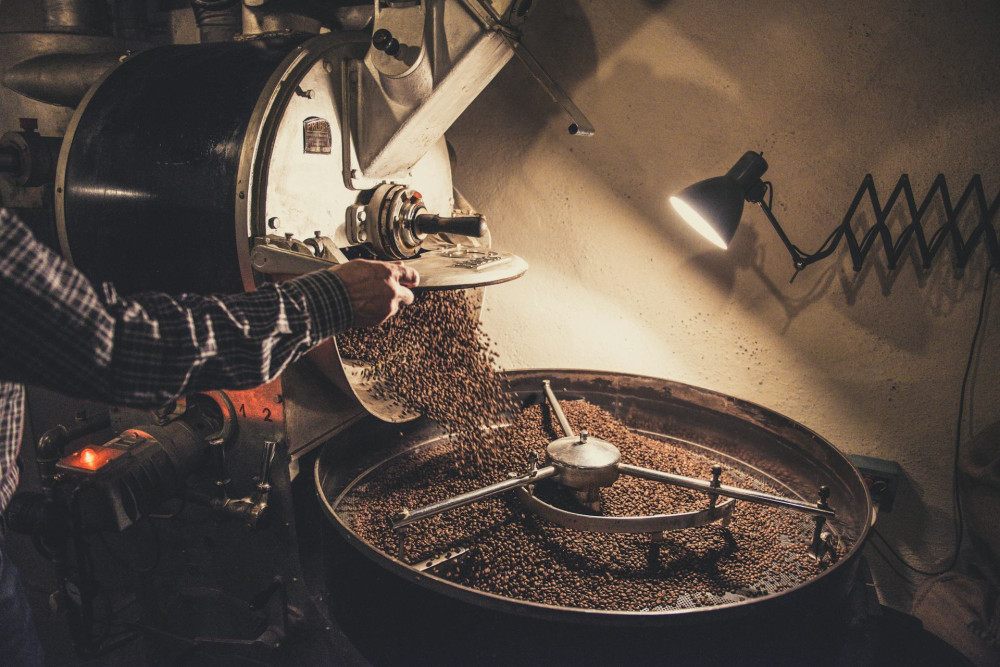
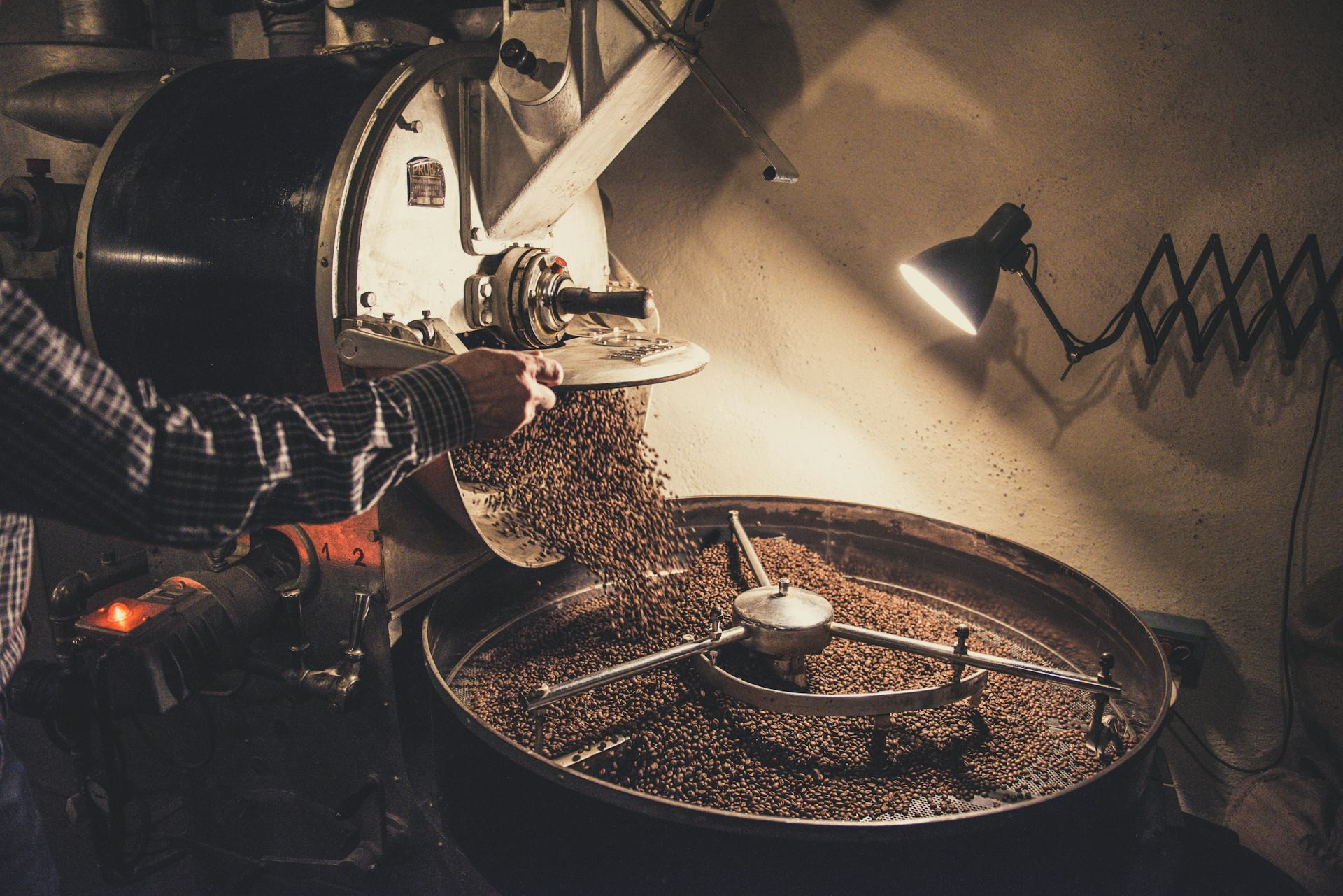
Independent roasters, specialty cafés, and sustainable sourcing initiatives have turned coffee into a field of both craftsmanship and ethics. Terms like “single origin,” “direct trade,” and “fair trade” have entered everyday vocabulary, reflecting a growing awareness of environmental and social responsibility.
Coffee as Culture and Identity
Today, coffee is more than a beverage—it’s a cultural marker. It reflects who we are and how we live. Some Americans grab a quick espresso on the way to work; others savor a slow pour-over on a Sunday morning. Coffee has become a symbol of both speed and mindfulness, of community and individuality.
From the first beans discovered in Ethiopia to the bustling coffee shops of New York, Seattle, and beyond, coffee has traveled through time as a mirror of human society. It has been a commodity, a luxury, a necessity, and now a lifestyle. And its journey, much like the aroma of a freshly brewed cup, continues to unfold.
Læs også: