Red, White, Rosé or Sparkling? Learn the Difference Between Wine Types

Red, White, Rosé or Sparkling? Learn the Difference Between Wine Types
The world of wine can seem overwhelming, but behind the countless bottles and labels lie a few basic differences that are worth knowing. What really separates a red wine from a white? How is rosé made, and what gives sparkling wine its bubbles? Here’s a simple guide to the four most common wine types—and what defines them in flavor, color, and production.
Red Wine – Depth, Structure, and Tannins
Red wine is made from dark-skinned grapes, and during fermentation, the juice stays in contact with the grape skins, seeds, and sometimes stems. This contact gives red wine its color and tannins—the compounds that create a slightly dry, puckering sensation on the palate.
Red wines range widely in style: from light and fruity Pinot Noir to bold and full-bodied Cabernet Sauvignon or Syrah. Serving temperature matters—a slight chill, around 60–65°F, helps the aromas open up and the flavors balance.
Red wine pairs beautifully with meats, mushrooms, and aged cheeses, but lighter reds can also complement poultry or hearty vegetable dishes.
White Wine – Freshness and Elegance
White wine is typically made from green or yellow grapes, though it can also come from dark grapes if the skins are removed quickly after pressing. Because the juice ferments without the skins, white wine has a lighter color and a more delicate texture.
The flavor depends on grape variety, climate, and winemaking style. Some whites are crisp and zesty, like a Sauvignon Blanc from California or New Zealand, while others are rich and creamy, like an oak-aged Chardonnay. Most white wines have a refreshing acidity that makes them ideal with seafood, salads, and lighter fare.
Serve white wine chilled—usually between 45 and 55°F—to preserve its brightness and aroma.
Læs også:
Rosé – The Best of Both Worlds
Rosé is most often made from red grapes, but the juice only stays in contact with the skins for a short time—sometimes just a few hours. This brief contact gives rosé its pink hue and a flavor that bridges the gap between red wine’s fruitiness and white wine’s crispness.
Rosé styles vary widely: from dry, elegant versions inspired by Provence to fruitier, slightly sweeter ones from California or Spain. It’s a versatile summer favorite that pairs well with grilled dishes, salads, and light pastas.
Serve rosé well chilled, around 45–50°F, to highlight its refreshing character.
Sparkling Wine – Bubbles and Celebration
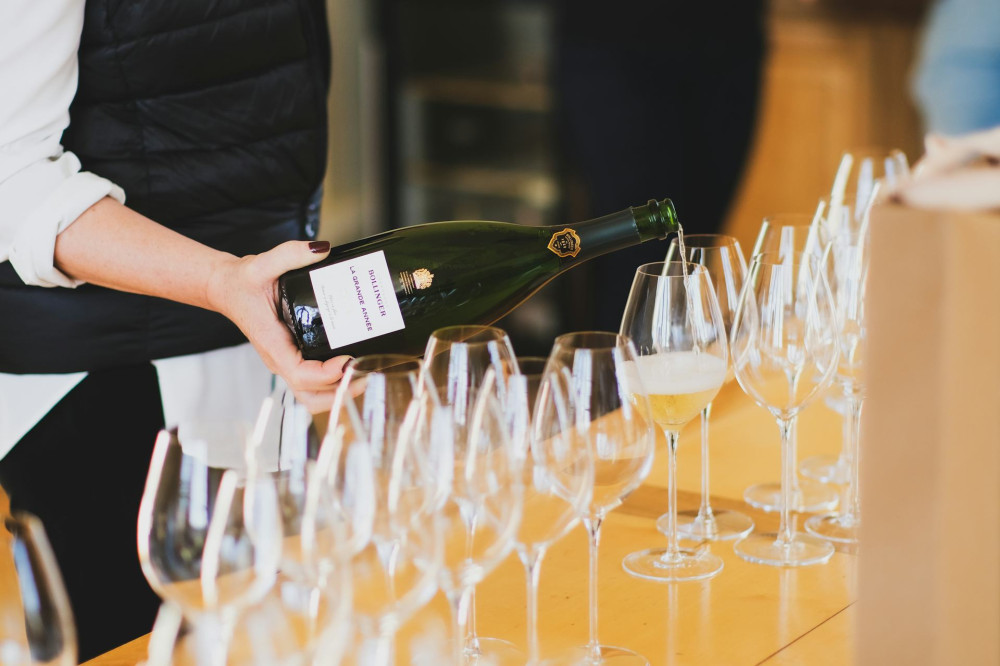
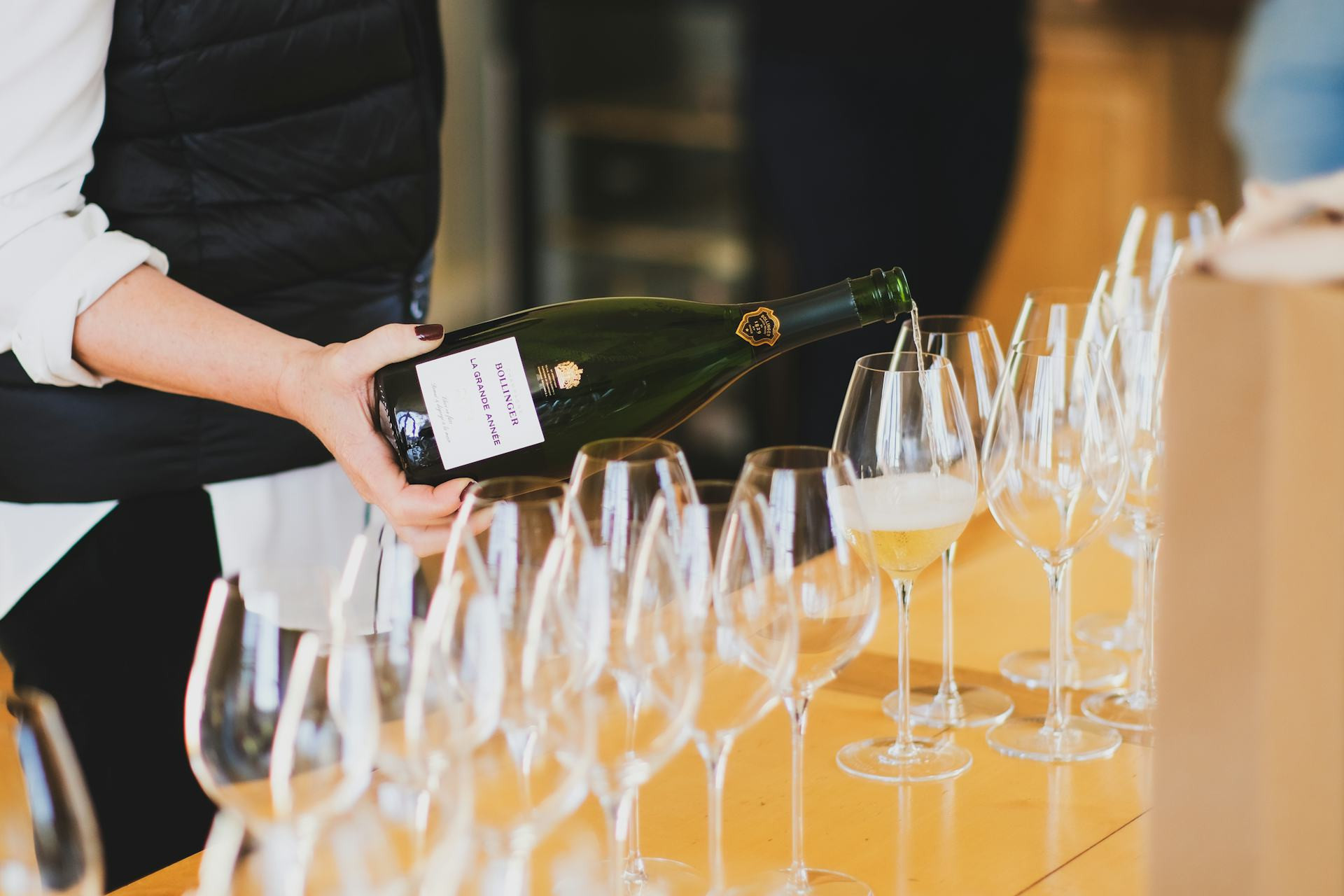
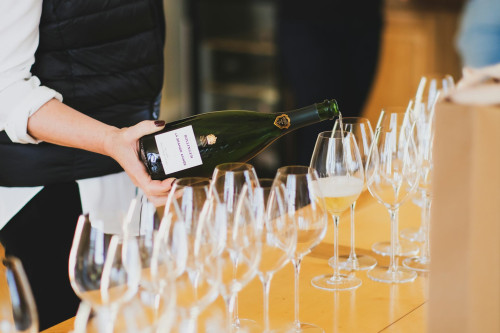
Sparkling wine is defined by its bubbles, which form when carbon dioxide is trapped during fermentation. There are several ways to create those bubbles—the most famous is the traditional method, used for Champagne, where the wine undergoes a second fermentation in the bottle. Others, like Prosecco, are made using a tank method that produces a lighter, fruitier style.
Sparkling wines range from dry and mineral-driven to sweet and aromatic. They’re not just for special occasions—sparkling wine makes a great aperitif and pairs wonderfully with seafood, fried foods, and appetizers.
Serve it cold, around 40–45°F, and use glasses that let the bubbles and aromas shine.
Choosing the Right Wine
When choosing wine, it’s not just about color—it’s about mood, food, and personal taste. A good rule of thumb is to match the wine’s intensity with the dish: light wines with light meals, fuller wines with richer foods. And remember, the best wine is the one you enjoy most.
Whether you prefer red, white, rosé, or sparkling, understanding the differences opens the door to a richer wine experience. With a bit of curiosity and a willingness to explore, you’ll soon discover your own favorites.
Læs også: