Together at the Table – The Power of Community in Everyday Life

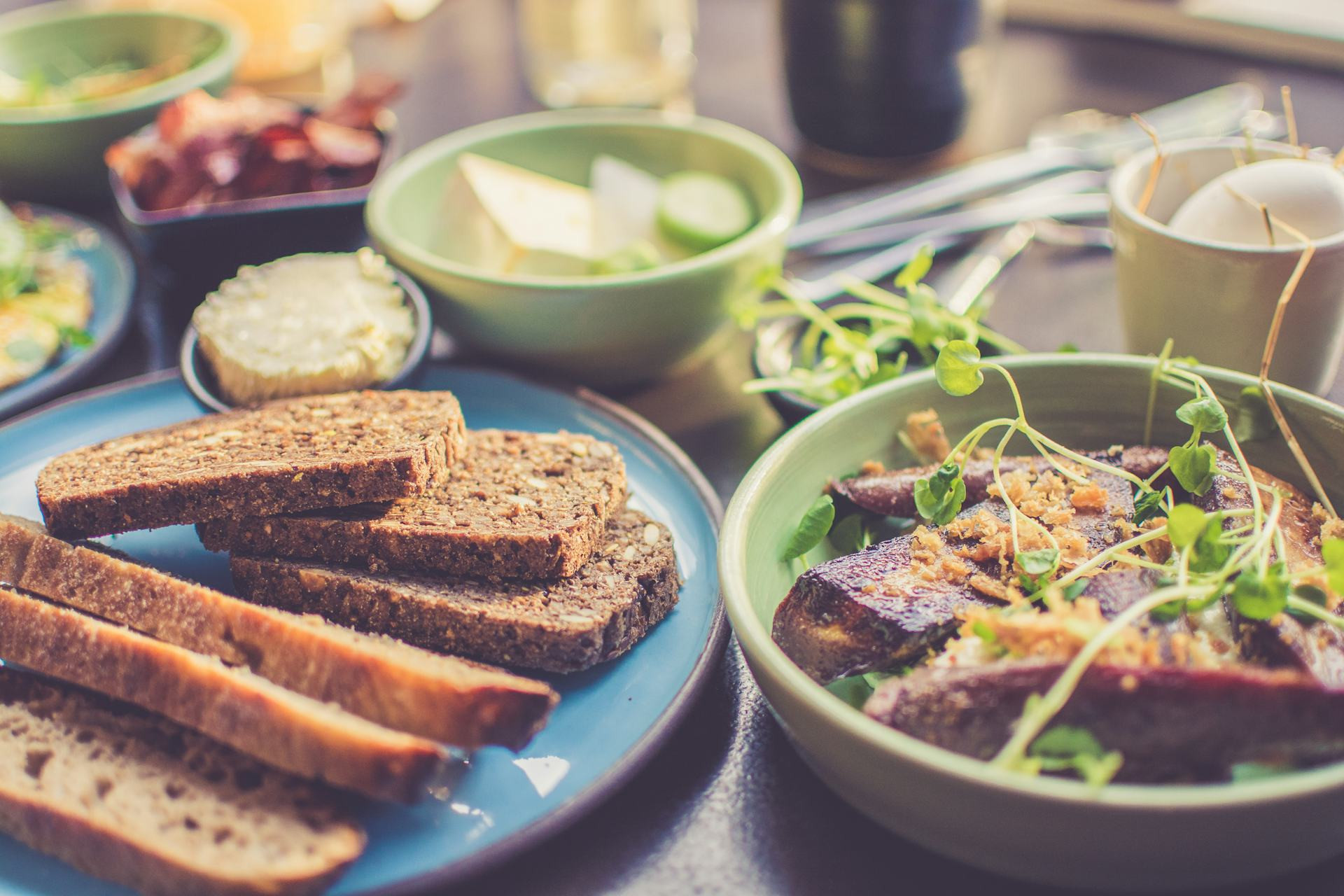
Together at the Table – The Power of Community in Everyday Life
A meal is more than food on a plate. It’s a gathering point, a pause in the day, and a chance to connect with one another amid the rush of modern life. In a culture where many meals are eaten in cars, at desks, or in front of screens, sitting down together can feel like a luxury. Yet it remains one of the simplest and most powerful ways we build community.
The Meal as a Social Anchor
Sharing food has always been central to human life. From campfires to kitchen tables, meals have been where stories are told, laughter is shared, and bonds are strengthened. When we sit down together, time slows, and conversation takes root.
Research shows that shared meals foster stronger relationships and a greater sense of belonging—within families, among friends, and even in workplaces. It’s not just about what’s on the plate, but about the attention and presence we offer each other.
Family Dinners in Everyday Life
For many American families, dinner is the one time of day when everyone gathers. It’s a moment to hear about each other’s days, share thoughts, and create small rituals that bring comfort and stability. Even a short meal can have a big impact if it becomes a regular part of the routine.
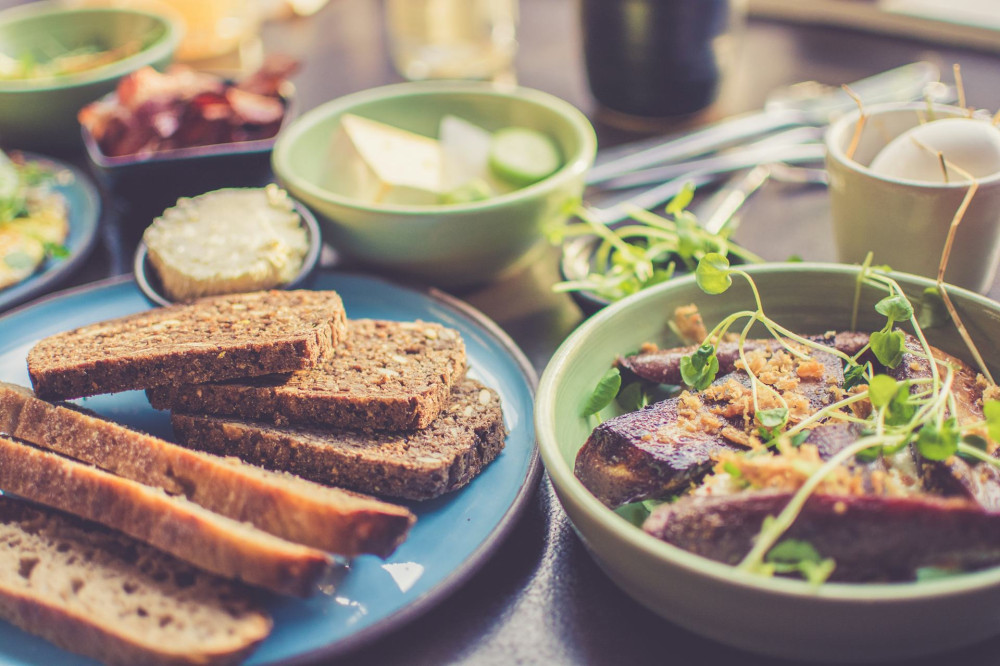
It doesn’t have to be fancy. A simple bowl of chili or a quick pasta dish can be just as meaningful as a special occasion meal if the atmosphere is warm and attentive. What matters most is being present—putting away phones, making eye contact, and truly listening.
Community Beyond the Home
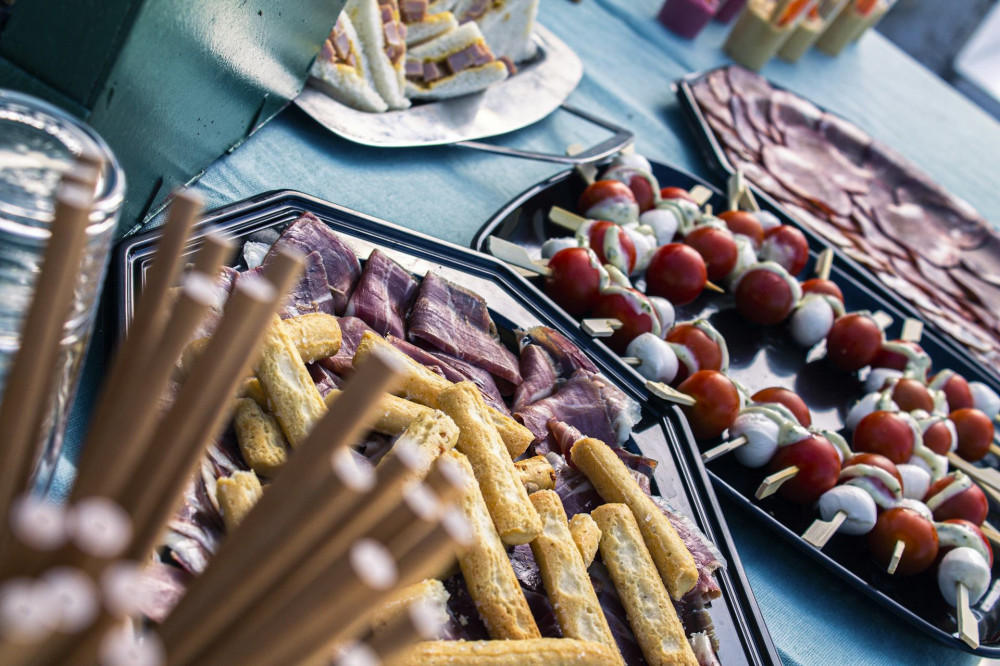
Meals can also bridge divides between people who might not otherwise meet. Across the U.S., community dinners, neighborhood potlucks, and church suppers bring people together across generations, backgrounds, and beliefs. These gatherings remind us that food is a universal language. When we share a table, differences fade, and our shared humanity comes forward.
From small-town picnics to urban food co-ops, these initiatives show how a simple meal can open doors, spark friendships, and strengthen the sense of belonging that every community needs.
Lunch at Work – More Than a Break
At work, lunch can be more than a quick refueling stop. It’s a chance to connect outside of meetings and deadlines, to laugh, exchange ideas, and build trust. A shared lunch—whether in a break room or at a nearby café—can improve morale and teamwork by giving colleagues space to relate as people, not just as coworkers.
Even in busy workplaces, it’s worth making time for these moments. You don’t have to eat together every day, but creating opportunities to gather can make the workday more human and more connected.
Food as Care and Tradition
Cooking for others is one of the simplest ways to show care. A pot of soup for a sick friend, cookies for a neighbor, or a family dinner on a Sunday evening—these gestures express love and thoughtfulness in a tangible way.
Meals also carry our traditions forward. Recipes passed down through generations, dishes tied to holidays or family stories, connect us to our roots. When we bake Grandma’s pie or Dad’s barbecue ribs, we’re not just making food—we’re keeping a piece of our shared history alive.
Læs også:
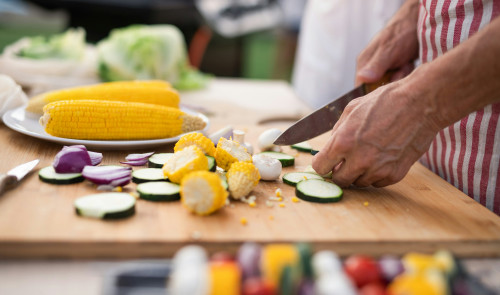



How to Strengthen Togetherness Around the Table
It doesn’t take major changes to make meals a time of connection. Small steps can make a big difference:
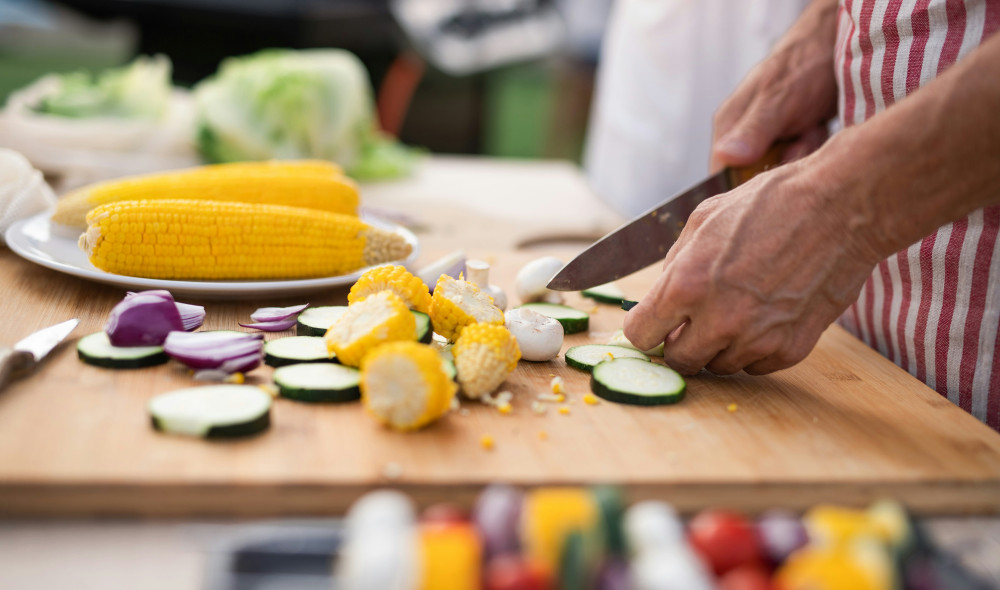
- Cook together. Invite family or friends to help prepare the meal—it encourages conversation and teamwork.
- Create calm. Turn off screens and let the table be a space for presence and peace.
- Share responsibility. Rotate who cooks, sets the table, and cleans up—it makes the meal a shared effort.
- Invite others. A spontaneous dinner with a neighbor or friend can bring new energy and joy.
- Make it a habit. Even one shared meal a week can strengthen relationships and lift spirits.
The Power of Everyday Connection
In the end, it’s not about grand gestures but about the small, repeated moments that weave our lives together—a laugh across the table, a story shared, a hand passing the bread. That’s where community lives: in the ordinary, everyday acts of togetherness.
When we gather at the table, we share more than food—we share life. And in a time when many feel rushed or disconnected, that simple act of coming together may be exactly what holds us close.
Læs også: