Get the Whole Family Involved in Meal Planning – Here’s How to Make It Easy and Fun

Get the Whole Family Involved in Meal Planning – Here’s How to Make It Easy and Fun
Meal planning can be a lifesaver in a busy week—but it can also feel like just another chore. When the whole family gets involved, it becomes easier, more enjoyable, and a lot more creative. Here’s how to turn meal planning into a fun family project that saves time, money, and those nightly “What’s for dinner?” debates.
Why Family Meal Planning Makes Sense
A meal plan isn’t just about organizing your week—it’s about creating calm and connection around the dinner table. When everyone has a say in what’s on the menu, there’s less complaining and more enthusiasm for mealtime.
Planning ahead also helps you shop smarter, reduce food waste, and make better use of leftovers. That’s good for your wallet and the planet.
Make Planning a Family Activity
Instead of one person carrying the responsibility, gather everyone—maybe on Sunday afternoon—and plan the week’s meals together. Turn it into a cozy routine where everyone gets to contribute.
- Let each family member pick a meal. Kids love having a say, and they’re more likely to eat what they helped choose.
- Use fun themes like “Taco Tuesday,” “Meatless Monday,” or “Around the World Night” to keep things interesting.
- Keep a list of family favorites so you always have go-to ideas when inspiration runs low.
If you have younger kids, give them two options to choose from or let them draw their favorite foods. It keeps things simple and engaging for everyone.
Læs også:



Use Tools That Fit Your Family
There are plenty of apps and websites that make meal planning and grocery shopping easier. You can share lists, save recipes, and even track what’s already in your pantry.
But if your family prefers something more hands-on, try a whiteboard or chalkboard in the kitchen. Write out the week’s meals where everyone can see them—it’s easy to update if plans change.
The key is to find a system that fits your family’s lifestyle.
Get Everyone Cooking
Once the family has helped plan the meals, it’s only natural to share the cooking, too. It doesn’t have to be complicated—small steps make a big difference.
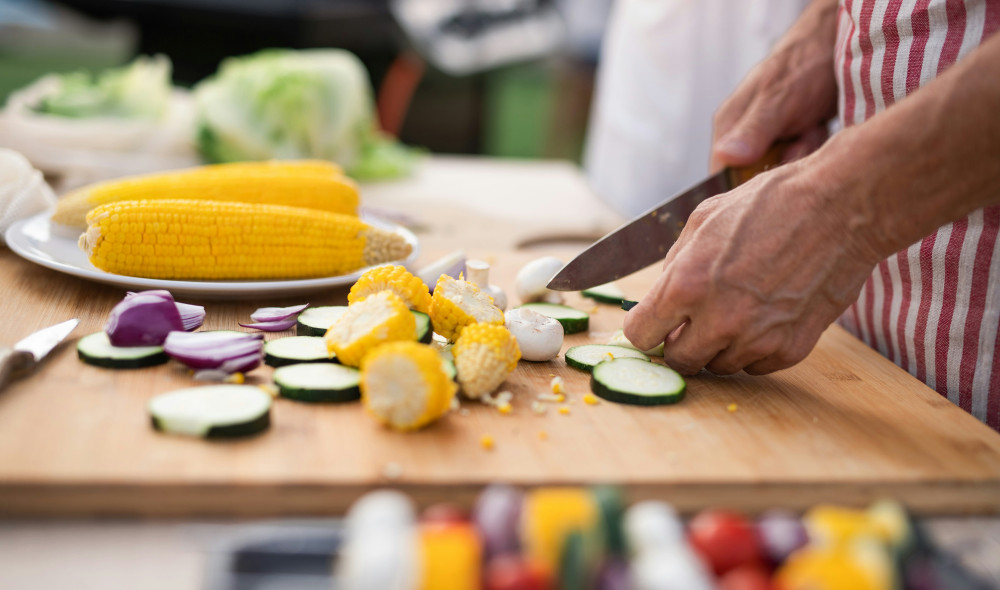
- Younger kids can set the table, wash veggies, or stir ingredients.
- Tweens and teens can take charge of one meal a week or help with prep work.
- Adults can rotate cooking and cleanup duties to keep things balanced.
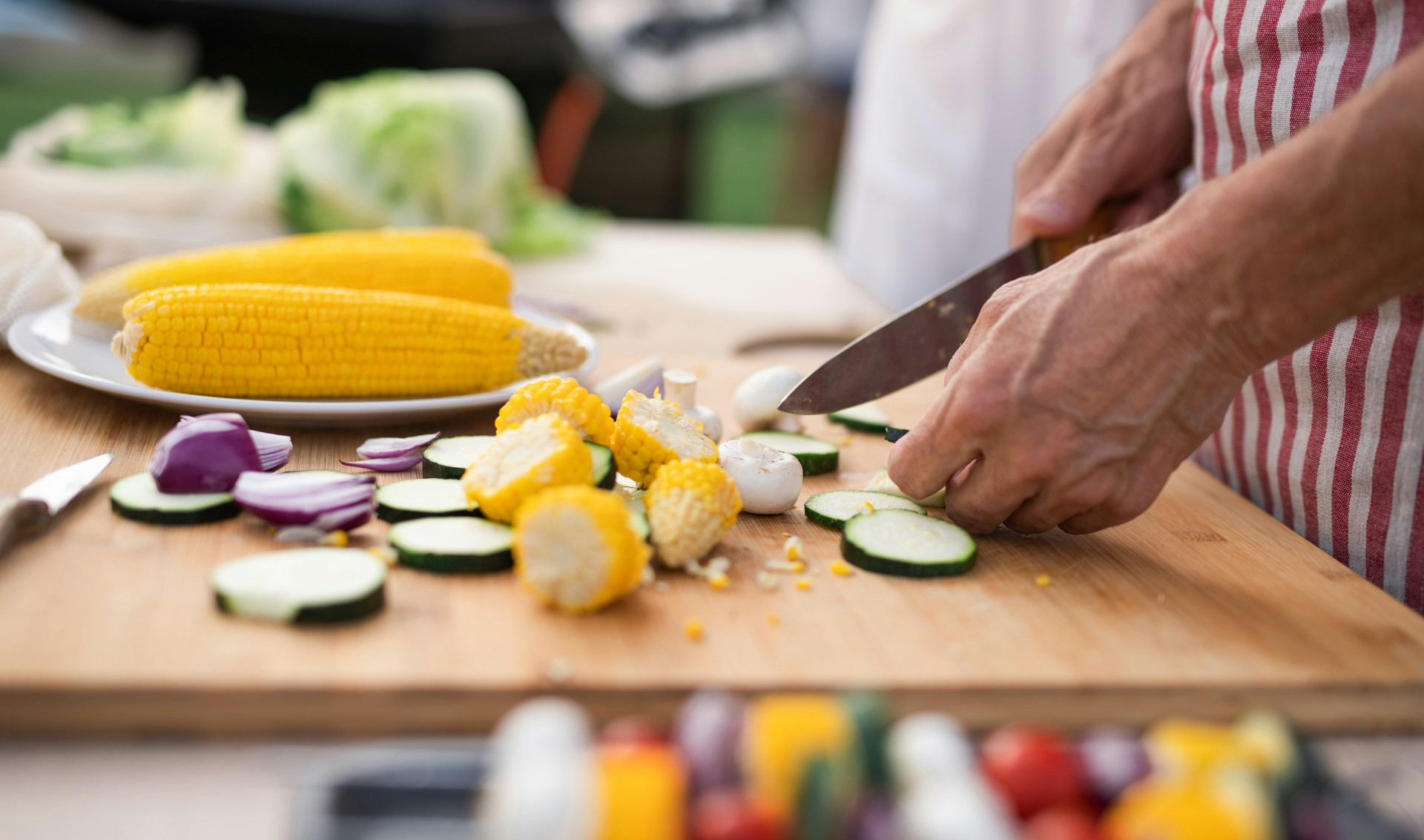
Cooking together turns dinner prep into quality time instead of a solo task. Plus, kids learn valuable kitchen skills and gain a better appreciation for the food they eat.
Keep It Fun—Not Perfect
The goal isn’t to follow the plan perfectly, but to make life easier. If you decide to swap meals or order takeout one night, that’s totally fine—flexibility keeps it sustainable.
To keep everyone motivated, add a little fun to the process:
- Rotate a “Chef of the Week” title.
- Try new recipes together and rate them afterward.
- Celebrate milestones—like sticking to the plan for a month—with a special dessert or family outing.
Meal planning should bring joy and teamwork, not stress or guilt.
A Plan That Lasts
Once you find your rhythm, meal planning quickly becomes second nature. Start small—maybe plan three dinners a week—and build from there.
The most important thing is that your plan fits your family, not the other way around. With teamwork, a bit of structure, and a sense of humor, meal planning can become a family tradition that makes everyday life smoother, healthier, and a lot more fun.
Læs også: