Freeze Your Way to Less Food Waste – and Keep the Nutritional Value

Freeze Your Way to Less Food Waste – and Keep the Nutritional Value
Freezing food is one of the simplest and most effective ways to cut down on food waste while keeping your meals nutritious and flavorful. Yet many Americans aren’t sure what can be frozen, how long it lasts, or how to do it properly. With a few smart habits, your freezer can become a powerful tool for saving money, reducing waste, and eating well.
Why Freezing Helps – A Simple Path to Less Waste
In the United States, the average household throws away hundreds of pounds of food each year. Much of that waste could be avoided if leftovers and surplus ingredients were frozen in time. Freezing halts bacterial growth and dramatically extends shelf life—without the need for preservatives.
That means you can save leftovers, take advantage of grocery store deals, and plan meals more efficiently. You’ll waste less, save money, and help reduce the environmental impact of food production and disposal.
Keeping the Nutritional Value Intact
A common misconception is that freezing destroys nutrients. In fact, frozen foods retain most of their vitamins and minerals—often better than fresh foods that have been sitting in the fridge for several days.
To preserve quality, freeze food quickly and at the right temperature. Set your freezer to 0°F (-18°C) or colder, and freeze food in small portions so it solidifies faster. The quicker the freeze, the smaller the ice crystals that form, which helps maintain texture, flavor, and nutritional value.
What Freezes Well – and What Doesn’t
Most foods can be frozen, but some handle it better than others.
Great freezer candidates:
- Meat, poultry, and fish – raw or cooked
- Bread, muffins, and baked goods
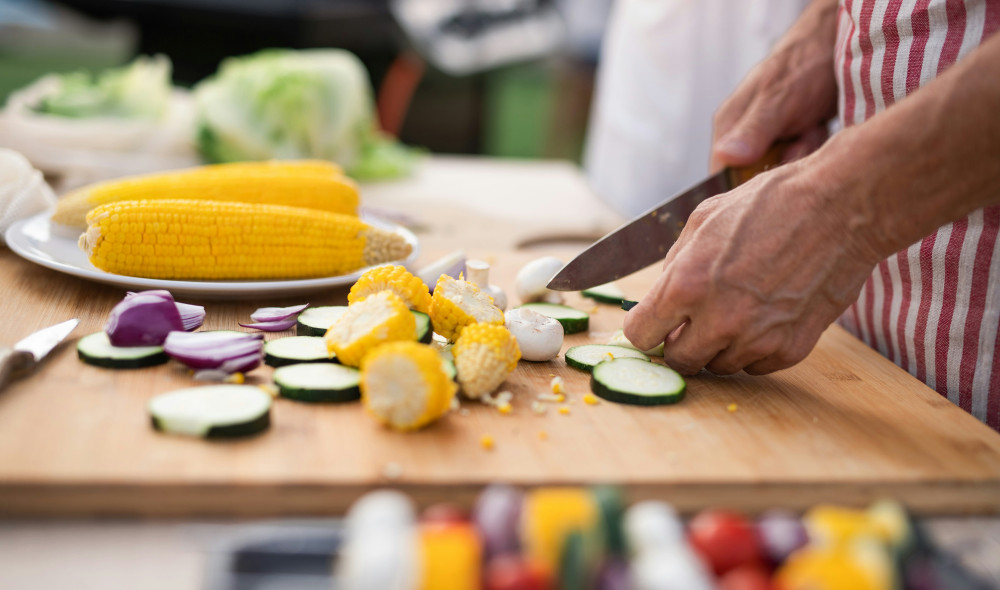
- Fruits and vegetables (blanch veggies first for best results)
- Soups, stews, and sauces
- Cooked beans, lentils, and grains
Less suitable for freezing:
- Fresh produce with high water content, like lettuce, cucumbers, and tomatoes
- Dairy products such as yogurt or cream (they may separate when thawed)
- Eggs in their shells – they can crack
A good rule of thumb is to freeze food in meal-sized portions. That way, you only thaw what you’ll actually use.
Smart Freezing Tips
To get the most out of your freezer, a little planning goes a long way. Try these simple tips:
- Cool food first. Never put hot food directly into the freezer—it raises the temperature and can affect other items.
- Use airtight packaging. Air is the enemy of frozen food. Use freezer bags, containers, or vacuum-sealed bags to prevent freezer burn.
- Label and date everything. Write down what’s inside and when it was frozen. It helps you use older items first and avoid mystery meals.
- Maximize space. Lay bags flat to freeze, then stack them. It saves room and makes it easier to find what you need.
Læs også:

Thawing – The Overlooked Step
How you thaw food matters for both safety and taste. The safest method is to let it thaw slowly in the refrigerator. It takes longer, but it keeps food at a safe temperature and preserves texture.
If you’re short on time, use your microwave’s defrost setting or submerge sealed food in cold water, changing the water every 30 minutes. Avoid thawing food on the counter—bacteria can multiply quickly at room temperature.
Once thawed, food should be eaten within a day and not refrozen unless it’s been cooked again.
Make Freezing Part of Your Meal Plan
Freezing isn’t just for leftovers—it can make everyday cooking easier. Double up on recipes like chili, soup, or casseroles, and freeze half for later. You’ll have a homemade meal ready to go on busy nights.
You can also freeze ingredients individually: chopped onions, herbs, shredded cheese, or cooked grains. Having these on hand makes it easy to throw together quick, healthy meals without extra prep.
A Small Effort with Big Rewards
Freezing food doesn’t take much effort, but it makes a big difference. You’ll save money, reduce waste, and keep your meals nutritious. Plus, you’ll gain flexibility and peace of mind knowing you always have something good to eat.
So next time you’re about to toss leftovers or see produce nearing its peak, ask yourself: “Can I freeze this?” Chances are, the answer is yes—and your freezer will reward you for it.
Læs også: