Less Food Waste, More Care: How to Make Your Takeout Greener

Less Food Waste, More Care: How to Make Your Takeout Greener
Takeout has become a staple in many Americans’ busy lives. It’s convenient, quick, and comforting—especially on nights when cooking feels like too much. But that convenience comes with a cost: piles of packaging, delivery emissions, and food waste. The good news? With a few mindful choices, you can make your takeout habits more sustainable without giving up the ease you love. Here’s how to enjoy your favorite meals with a lighter footprint.
Choose Where You Order From
A greener takeout experience starts with the restaurant you support. Many eateries across the U.S. are taking steps toward sustainability—through local sourcing, eco-friendly packaging, and waste reduction.
- Support local restaurants that use seasonal ingredients and partner with nearby farms. This cuts down on transportation emissions and strengthens your community.
- Look for certifications like USDA Organic, Fair Trade, or Marine Stewardship Council (MSC) labels that signal responsible sourcing.
- Ask about packaging—some restaurants now offer compostable containers or reusable options.
By choosing businesses that care about the planet, you’re showing that sustainability matters to customers.
Order Smart to Avoid Food Waste
A big portion of takeout waste comes from over-ordering. It’s easy to add “just one more side,” but leftovers often end up in the trash.
- Be realistic about how much you’ll eat.
- Share dishes if you’re ordering for a group—many portions are large enough for two.
- Save leftovers in airtight containers and enjoy them the next day. Many dishes taste even better after the flavors have settled overnight.
If you often end up with too much food, try leaving a note in your order asking for smaller portions. Some restaurants are happy to accommodate.
Make Packaging Part of the Solution
Packaging is one of takeout’s biggest environmental challenges, but you can help reduce its impact.
- Say no to single-use extras like plastic utensils, napkins, and straws if you’re eating at home.
- Bring your own containers when picking up food—some restaurants even offer discounts for reusable packaging.
- Recycle or compost properly once you’re done. Rinse containers and check your local recycling guidelines to make sure materials are sorted correctly.
Some U.S. cities, like San Francisco and Portland, are experimenting with reusable takeout container programs. Keep an eye out for similar initiatives in your area.
Rethink Delivery and Transportation
How your food gets to you also affects its carbon footprint. Delivery by car produces far more emissions than walking, biking, or electric transport.
- Pick up your order if the restaurant is nearby—a short walk or bike ride saves emissions and packaging.
- Use eco-friendly delivery platforms—some services now use e-bikes or electric vehicles.
- Combine orders if multiple people in your household want takeout, reducing the number of trips.
Small transportation choices add up when many people make them.
Læs også:

Make Takeout Part of a Sustainable Lifestyle
Takeout doesn’t have to clash with a sustainable lifestyle—it’s all about balance and awareness. You can:
- Plan takeout nights as part of your weekly meals to avoid impulse orders and food waste.
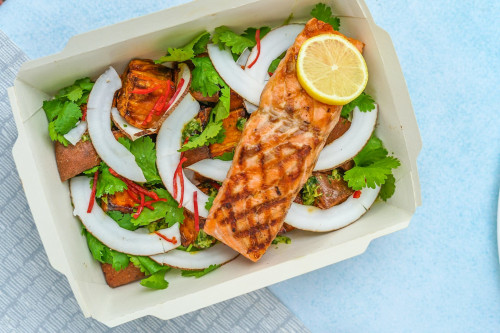
- Choose plant-based options more often—these meals generally have a lower environmental impact than meat-heavy dishes.
- Support food rescue apps like Too Good To Go or local initiatives that sell surplus meals at a discount, helping reduce restaurant waste.
When sustainability becomes part of your takeout routine, it turns from a one-time effort into a lasting habit.
Small Steps, Big Impact
No one can do everything, but everyone can do something. By thinking about where you order from, how your food travels, and what happens to the leftovers, you can help cut down on waste and pollution. It doesn’t take major sacrifices—just a bit of care.
Next time you reach for your phone to order dinner, ask yourself: can I make this meal a little greener today? The answer is almost always yes.
Læs også: