How to Plan Your Food Budget While Traveling

How to Plan Your Food Budget While Traveling
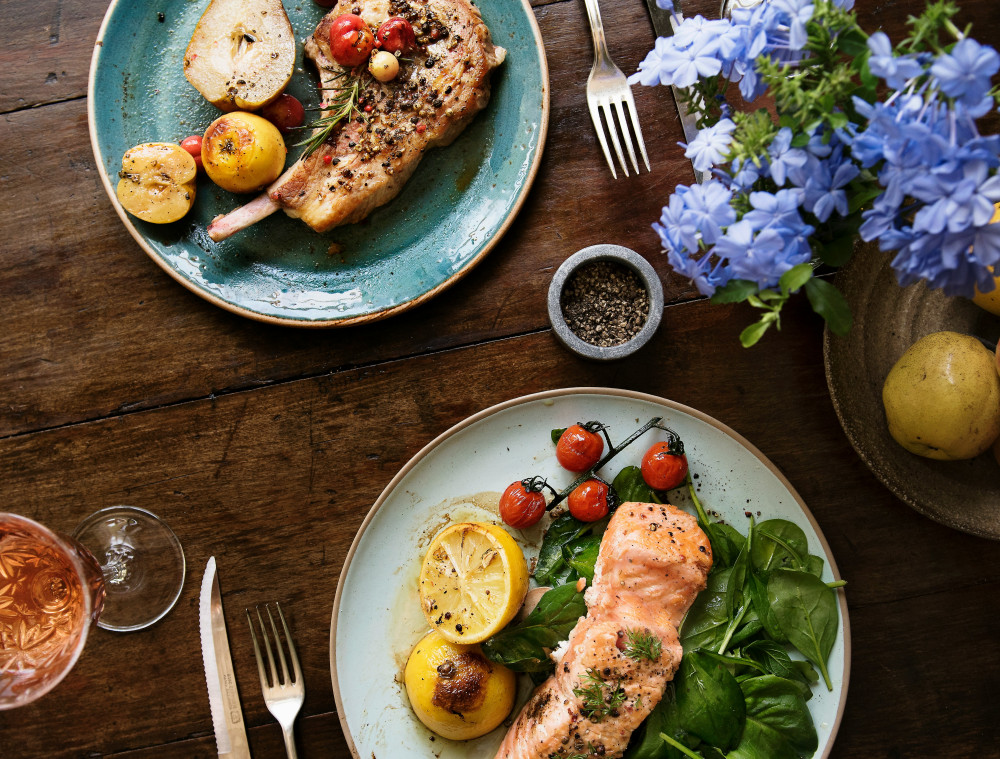
When you’re on the road, food expenses can quickly add up. Between restaurant meals, coffee breaks, and the temptation to try every local specialty, it’s easy to overspend before your trip is halfway through. But with a little planning, you can enjoy great food without breaking the bank. Here’s a guide to help you plan your food budget while traveling—so you can savor every bite and still stay on track financially.
Know Your Eating Habits and Set a Realistic Budget
Before you leave home, think about how you usually eat and what kind of food experiences you want on your trip. Are you a foodie who loves dining out, or do you prefer simple meals you can prepare yourself?
Estimate how many meals you’ll eat out versus how many you can handle with groceries or takeout. Research the average food prices in your destination—eating out in Southeast Asia might be inexpensive, while in major European cities or U.S. tourist hubs, it can be pricey.
A good starting point is to set a daily food allowance. This helps you track spending and adjust if you splurge one day. Apps like Mint or Trail Wallet can make it easy to monitor your expenses on the go.
Mix Dining Out with Self-Catering
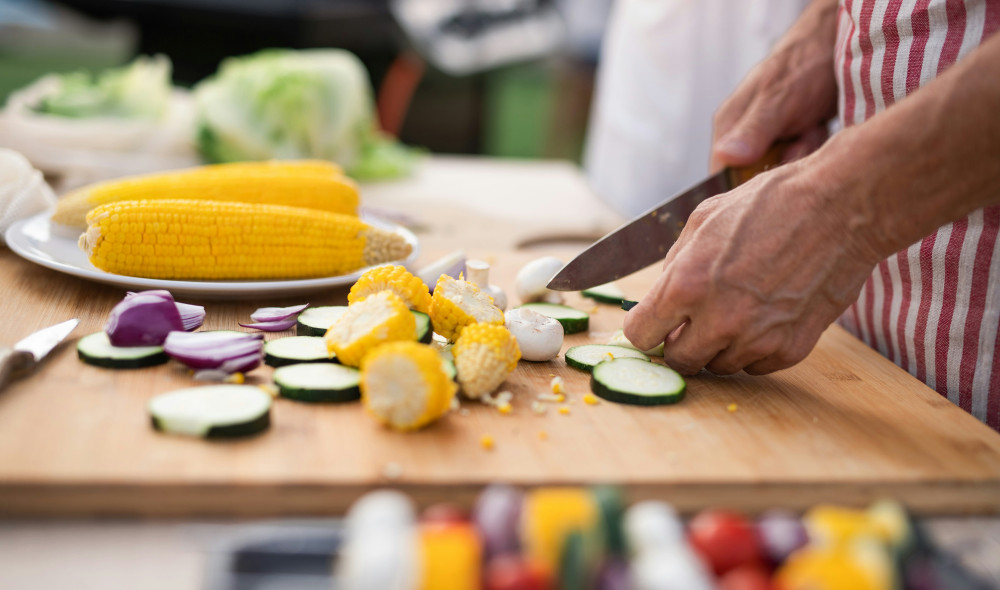
If your accommodation includes a kitchen or kitchenette, take advantage of it. Preparing some of your own meals—especially breakfast and lunch—can save a lot. Simple options like oatmeal, sandwiches, fruit, or salads don’t require much effort or equipment.
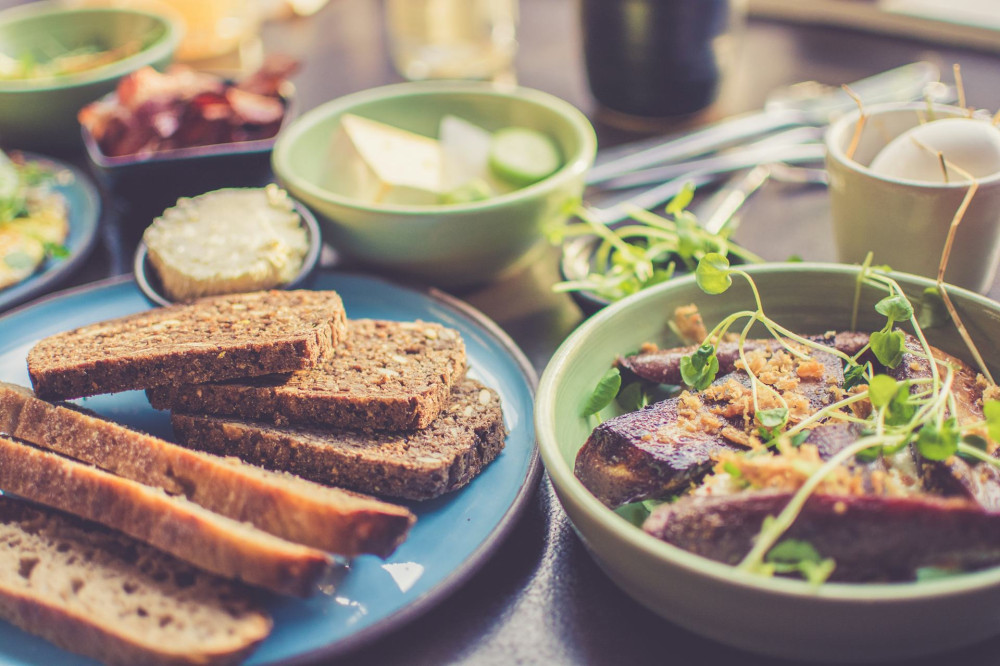
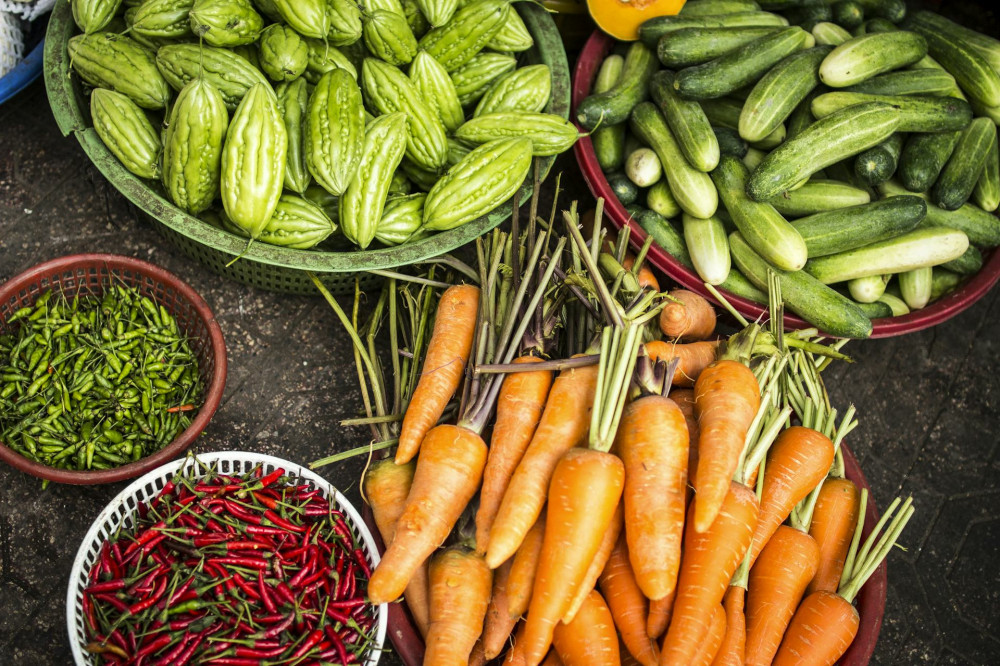
Save restaurant meals for dinner or special occasions. That way, you can still enjoy local cuisine without overspending. Shopping at local grocery stores or farmers’ markets is not only cheaper but also a great way to experience local culture.
Choose Restaurants Wisely
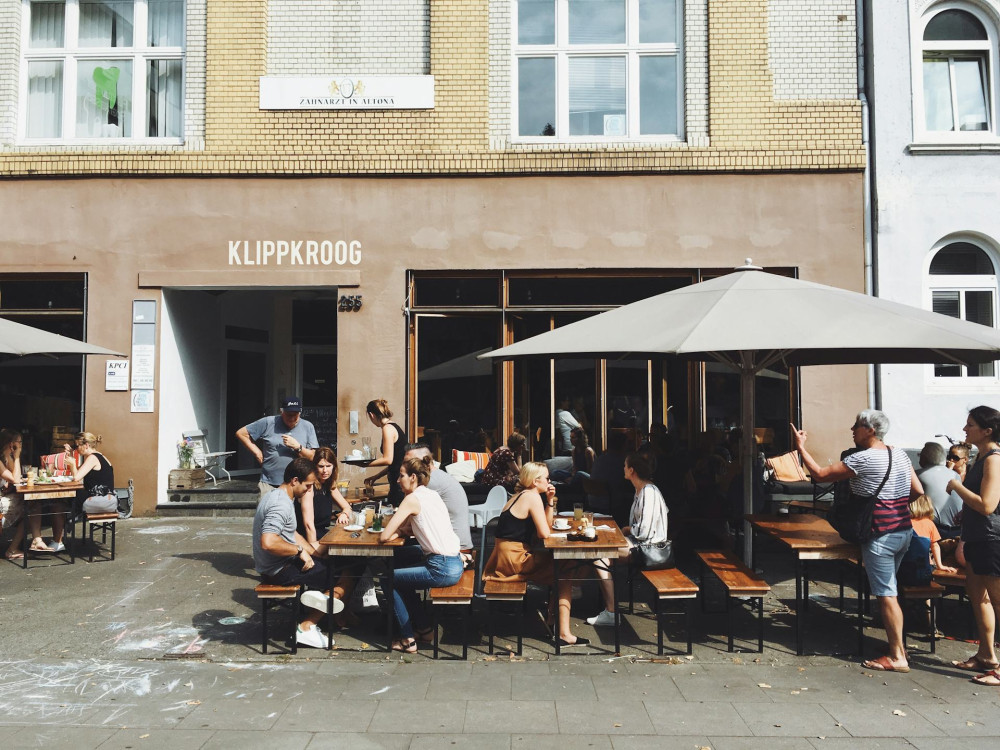
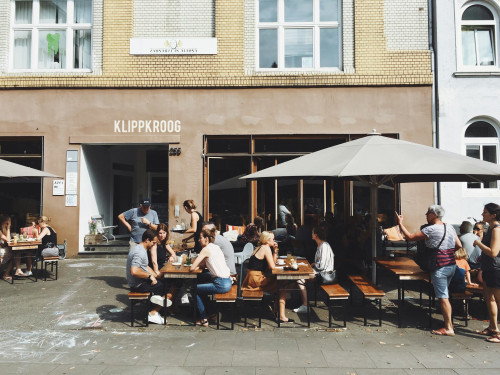
When you do eat out, location matters. Restaurants near major attractions often charge higher prices. Walk a few blocks away from the main tourist areas, and you’ll likely find more affordable, authentic spots where locals eat.
Check menus before sitting down, and be aware of extra charges for things like bottled water, bread, or service fees. Reading online reviews or using apps like Yelp or Google Maps can help you find good-value restaurants with solid reputations.
Læs også:
Plan for Snacks and Drinks
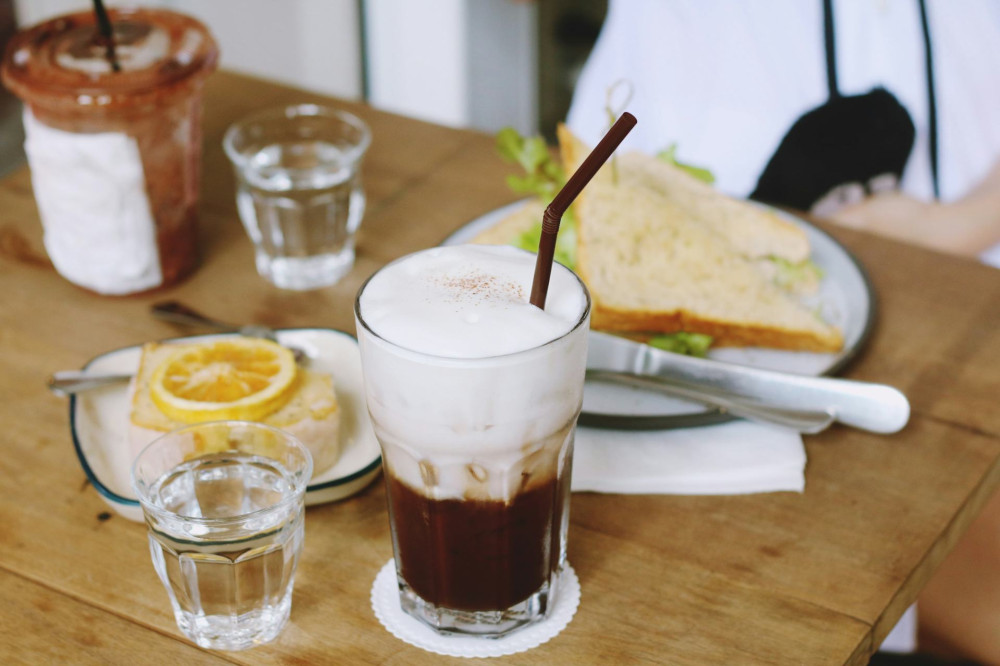
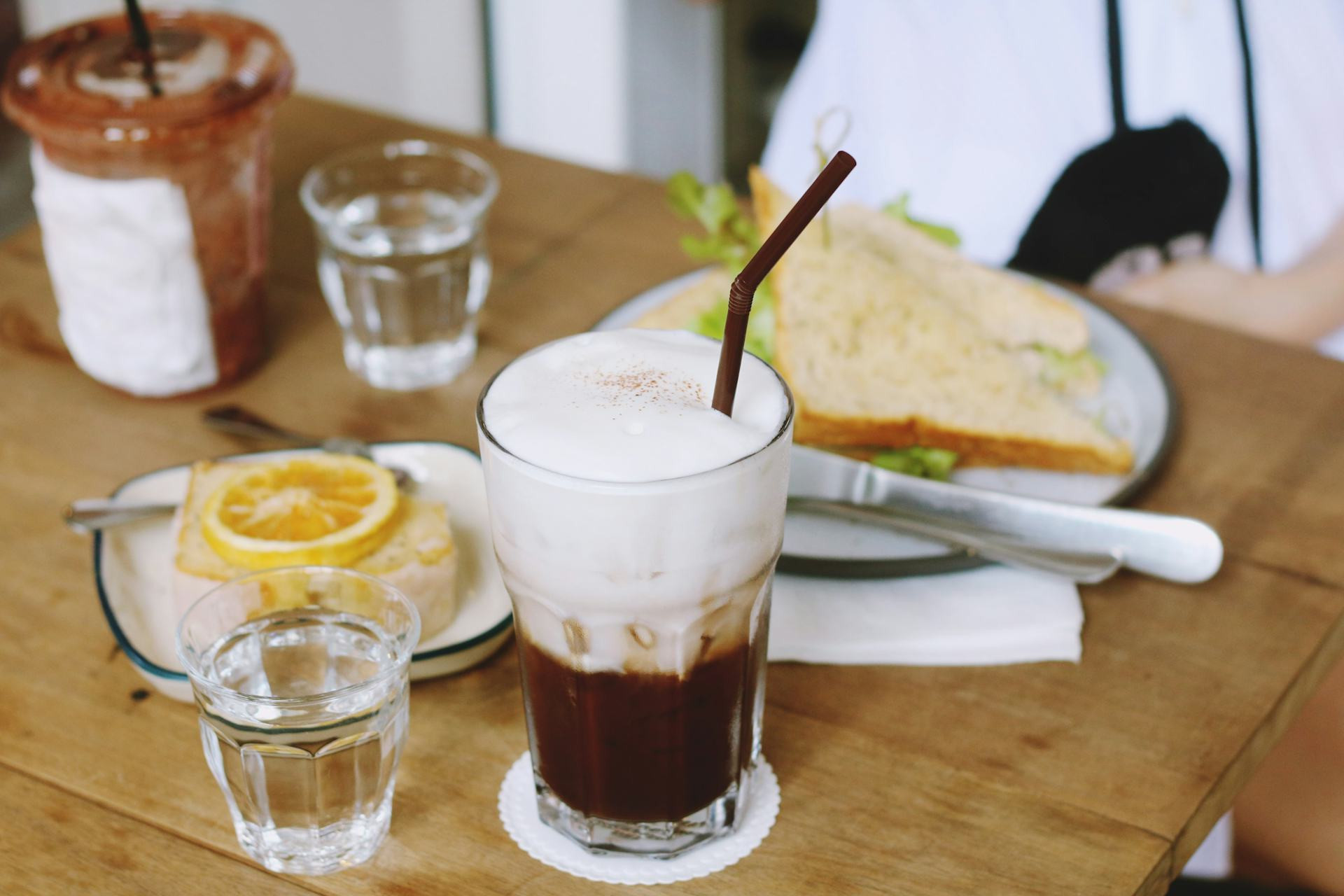
Small purchases—coffee, bottled water, snacks—can quietly drain your budget. Buy snacks and drinks at grocery stores instead of cafés or convenience shops. Bring a reusable water bottle if tap water is safe to drink; it’s cheaper and more eco-friendly.
If you tend to get hungry between meals, pack snacks like nuts, fruit, or granola bars. Having something on hand makes it easier to resist impulse buys when you’re out exploring.
Budget for Special Food Experiences
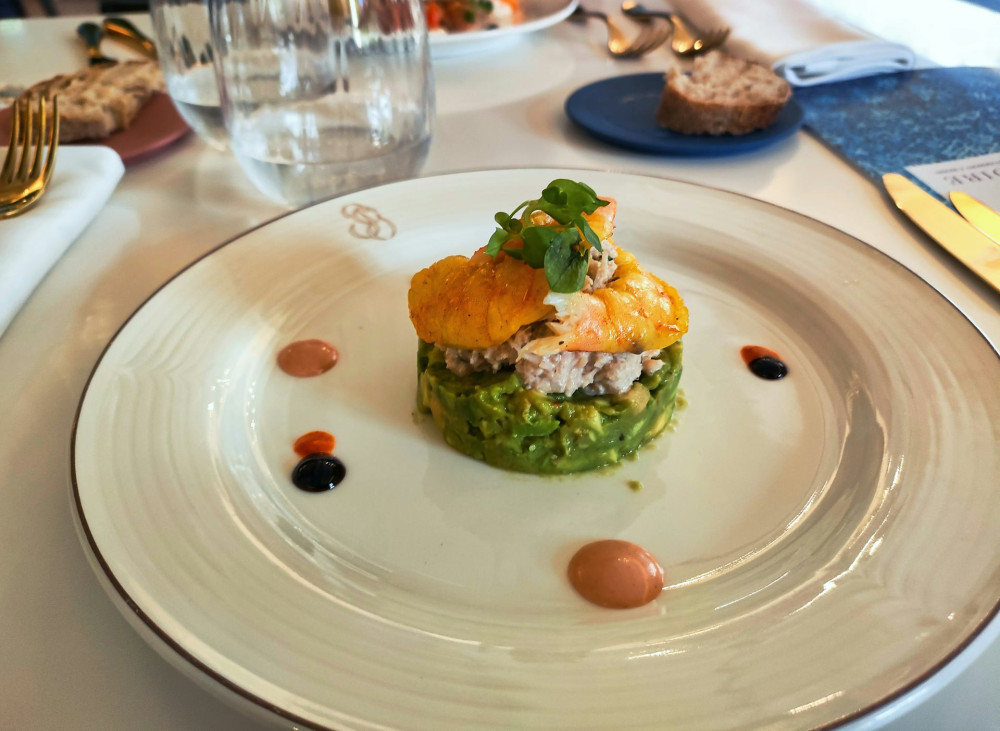
Part of the joy of traveling is tasting new foods. Set aside a portion of your budget for special experiences—maybe a nice dinner, a local food tour, or a cooking class. Planning for these in advance means you can enjoy them guilt-free, knowing they fit into your overall budget.
Track Your Spending as You Go
Even the best budget can go off track if you don’t keep an eye on your spending. Record your daily food costs in an app or notebook. This gives you a clear picture of where your money is going and helps you adjust if needed.
If you’re traveling with friends or family, consider pooling money for shared meals. It simplifies splitting bills and keeps everyone on the same page.
Enjoy the Food—Without Overspending
Budgeting for food doesn’t mean missing out on great meals. It’s about spending smartly so you can enjoy both the cuisine and the rest of your trip. With a bit of planning and awareness, you can eat well, experience local flavors, and still have money left for the adventures ahead.
The key is balance—between saving and savoring. After all, food is one of the best parts of travel, and it deserves a thoughtful place in your budget.
Læs også: