The Power of Expectation: How Does It Shape Our Experience of Food Quality?

The Power of Expectation: How Does It Shape Our Experience of Food Quality?
Imagine being served two identical glasses of wine. You’re told one costs $10 and the other $100. Most people will say the expensive one tastes better—even though they’re exactly the same. This simple experiment reveals something fascinating: our expectations can change how we experience food and drink. But why does this happen, and what does it mean for the way we enjoy a meal?
The Brain Tastes Too
When we eat, it’s not just our taste buds doing the work. The brain plays a crucial role in interpreting flavor. Research shows that expectations can activate the same brain regions that register pleasure. In other words, if we believe something will taste good, we actually experience it as better.
A study from Stanford University found that participants who thought they were drinking expensive wine reported greater enjoyment—and brain scans confirmed that their reward centers were more active. It’s not self-deception; it’s a genuine physiological response.
The Power of Setting
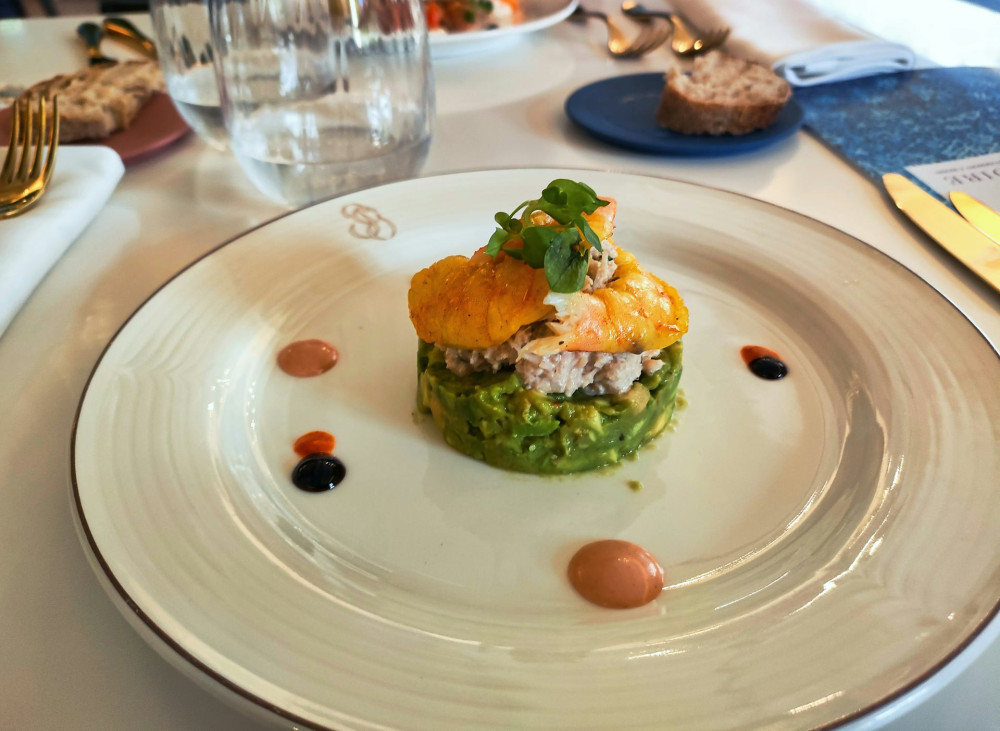
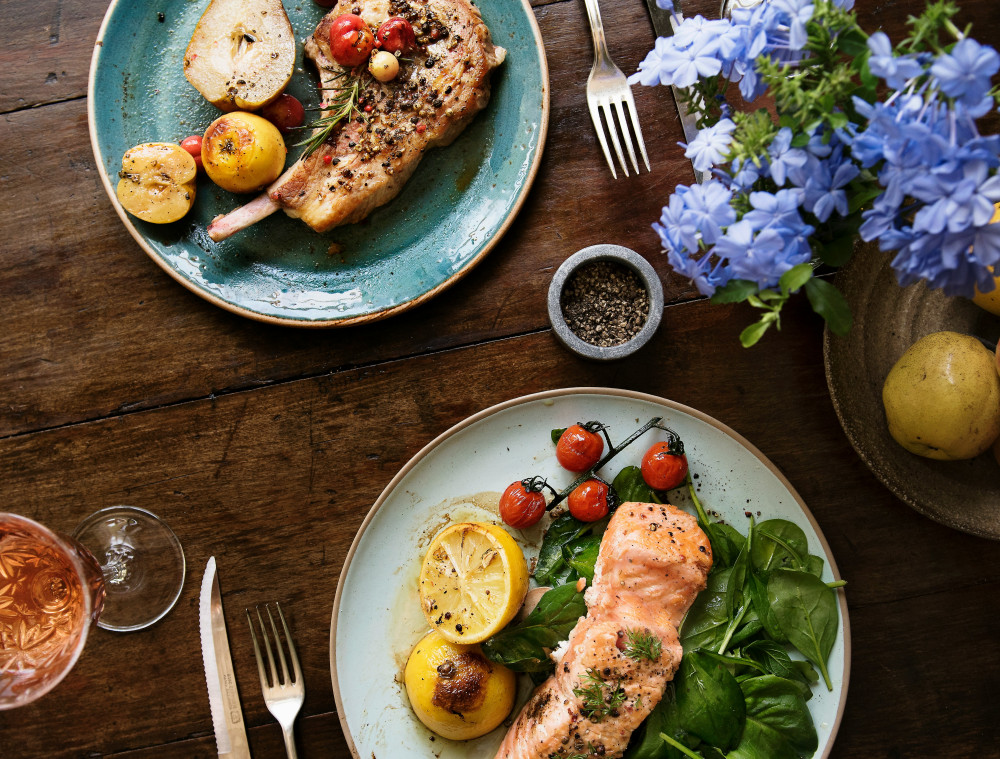
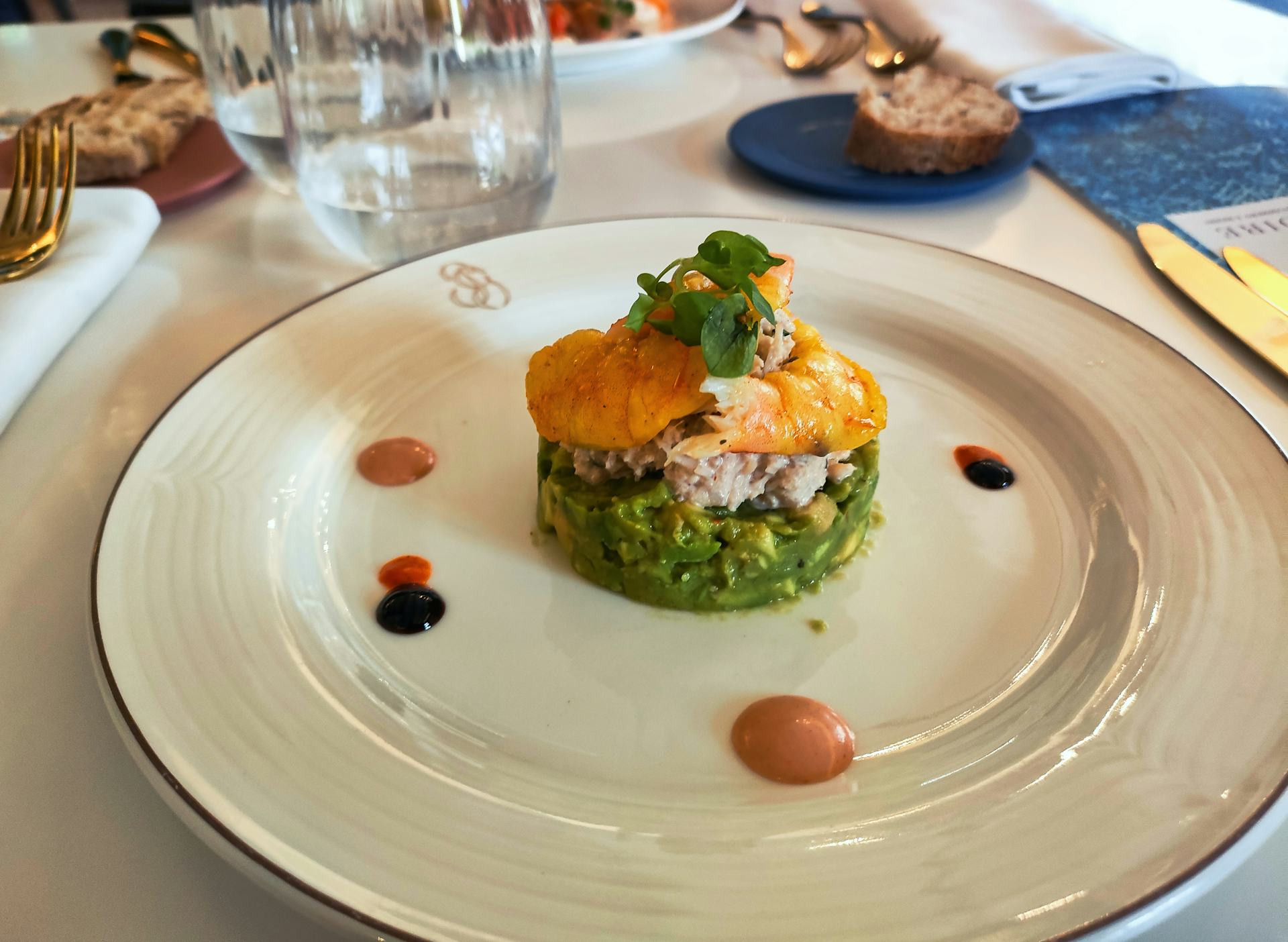
Expectations aren’t shaped only by price or reputation—they’re also influenced by the environment. A dish served on fine china in a softly lit restaurant feels different from the same dish eaten from a takeout container at your desk.
Restaurants know this well. Lighting, music, scent, and service are carefully designed to create an atmosphere that enhances flavor. Even the color of the plate can make a difference—blue plates can make people eat less, while red and orange tones tend to stimulate appetite.
Names, Stories, and Expectations
Language is another powerful tool. A “homemade tomato soup with sun-ripened tomatoes and fresh basil” sets a very different expectation than simply “tomato soup.” As soon as we read or hear a description, our brains start forming images and taste impressions that shape the actual experience.
That’s why many restaurants and food brands use storytelling as part of their identity. The story of a local farmer, a family recipe, or a special cooking method creates an emotional connection that makes the food taste better—because we expect it to.
When Expectations Backfire
Of course, the power of expectation can work both ways. If a restaurant promises a “world-class dining experience” but delivers something average, the disappointment feels sharper than if expectations had been lower. The brain reacts not only to fulfilled expectations but also to broken ones.
That’s why creating a great dining experience isn’t just about raising expectations—it’s about meeting them. The best experiences happen when expectation and reality align, or when reality pleasantly exceeds what we imagined.
Læs også:


What We Can Learn
Understanding the power of expectation can make us more mindful as both diners and hosts. As diners, it’s worth remembering that our experience depends not only on what’s on the plate but also on our mindset and surroundings. As hosts, chefs, or restaurateurs, we can use this knowledge to craft experiences where flavor, atmosphere, and story work together.
So next time you sit down to eat, take a moment to notice what shapes your experience—is it the taste alone, or everything that comes with it?
Læs også: